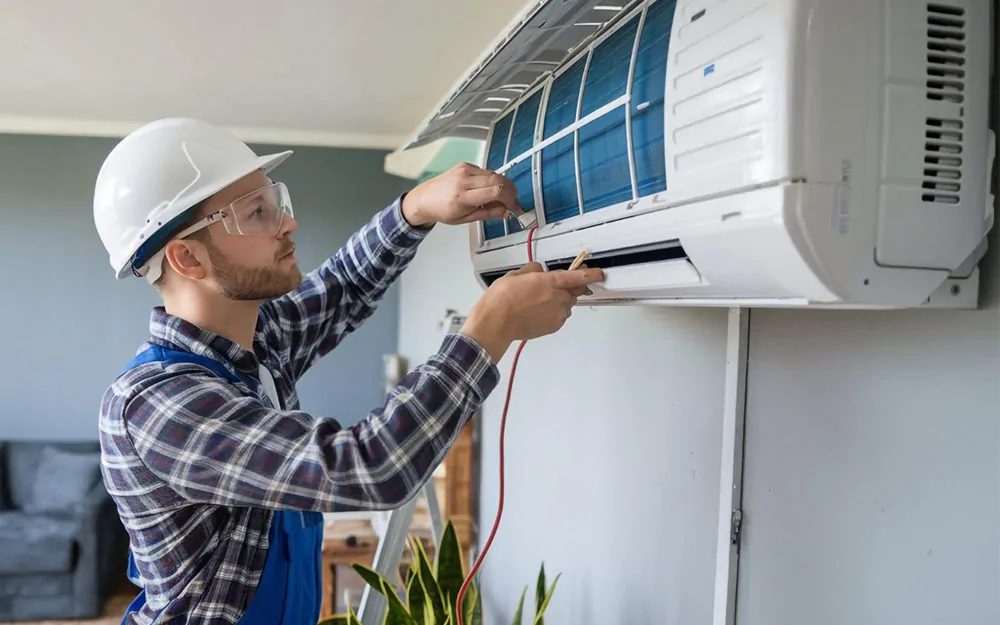
Deciding between DIY and professional repairs depends on several factors. Here's how to make the right choice for your situation.
Good DIY Projects:
- Simple Repairs: Basic fixes like replacing light bulbs, unclogging drains, or fixing loose handles
- Cosmetic Updates: Painting, minor touch-ups, or decorative improvements
- Basic Maintenance: Cleaning, lubricating, or simple adjustments
- Low-Risk Tasks: Projects that don't involve safety systems or major structural elements
When to Go Professional:
- Complex Systems: HVAC, electrical, plumbing, or structural work
- Safety Concerns: Any work involving gas, electricity, or load-bearing structures
- Time Constraints: When you need quick, reliable results
- Lack of Tools: If specialized tools are required
- Warranty Needs: When you need professional guarantees
Cost Considerations:
While DIY might seem cheaper initially, consider: - Cost of tools and materials - Time investment - Risk of mistakes and additional repairs - Potential safety hazards - Loss of warranty coverage
Making the Decision:
Ask yourself: 1. Do I have the necessary skills and knowledge? 2. Do I have the right tools? 3. What's the risk if something goes wrong? 4. How much time will this take? 5. Is there a warranty or guarantee I need?
If you're unsure, it's always safer to consult with a professional. Many offer free estimates and can help you decide the best approach.